Student Mental Health App
My Role
Solo PM. I owned the full discovery-to-validation cycle — research design, user interviews, prototype definition, usability testing, stakeholder presentation, and roadmap recommendation.
The Problem
Post-secondary students face significant mental health challenges, yet existing supports are often hard to find, stigmatized, or don't fit into how students actually live and study. I wanted to find out: what do students actually need — and is there a gap that could be meaningfully filled?
Discovery & Research
To validate the problem and understand user needs, I used two methods:
Survey — 29 responses from undergraduate students, used to identify patterns in how students currently manage their mental health and what barriers they face.
User interviews — 11 in-depth conversations to go beyond surface-level answers and understand the emotional reality behind the data.
What the research shaped: Rather than confirming a single solution direction, the research surfaced two distinct themes that pointed toward different product approaches:
Peer accountability emerged as a consistent thread — students found it easier to maintain mental health habits and complete their assignments when they felt connected to others doing the same.
Variety of coping strategies — students weren't looking for one solution. They used a range of approaches (i.e. exercise, journaling, social connection, creative outlets) and wanted something flexible enough to support their individual rhythm.
These two themes directly shaped the two prototypes I built and tested.
Prototypes & Validation
After brainstorming potential solutions with ChatGPT, I built two prototypes using Lovable and tested both with real users.
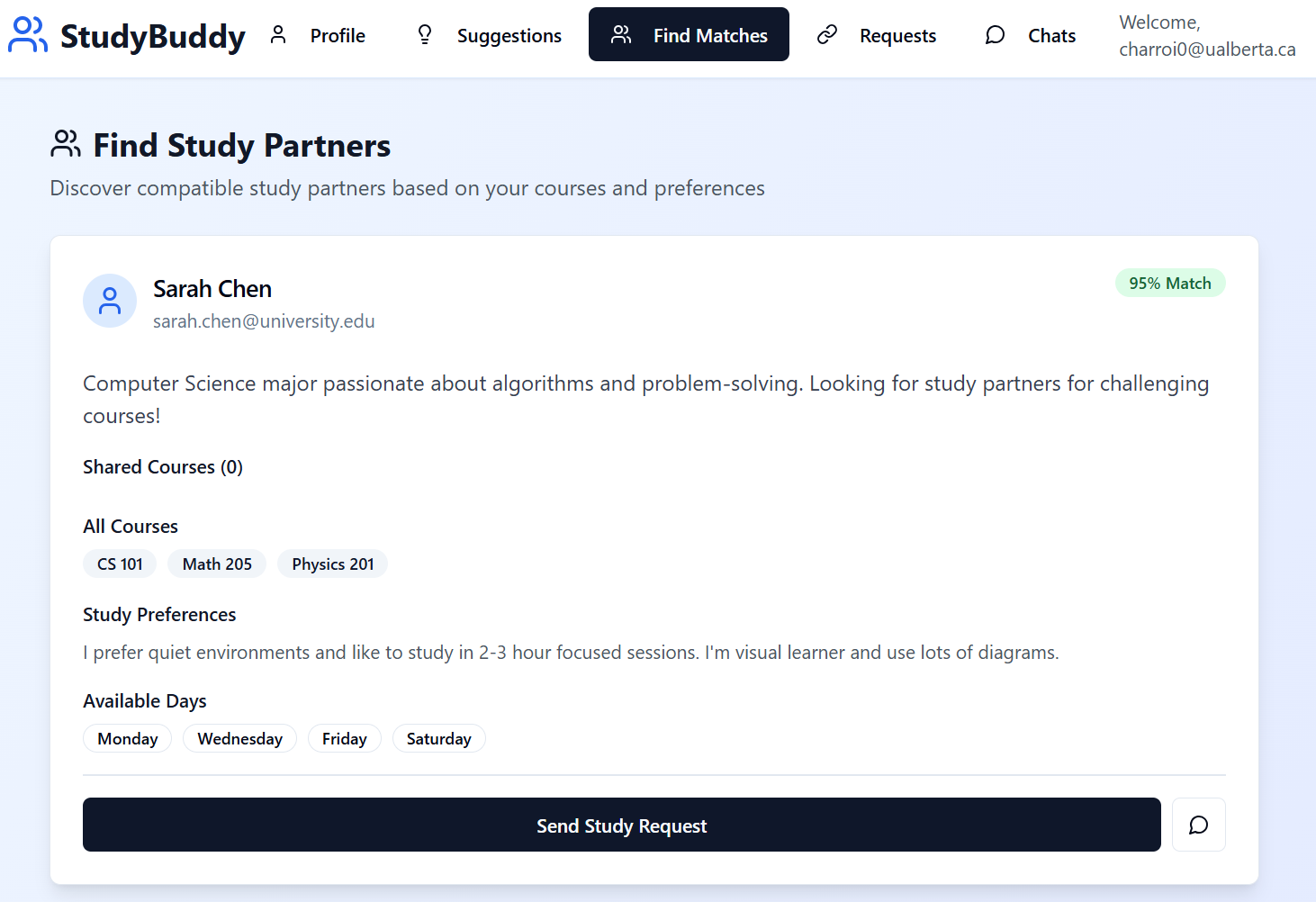
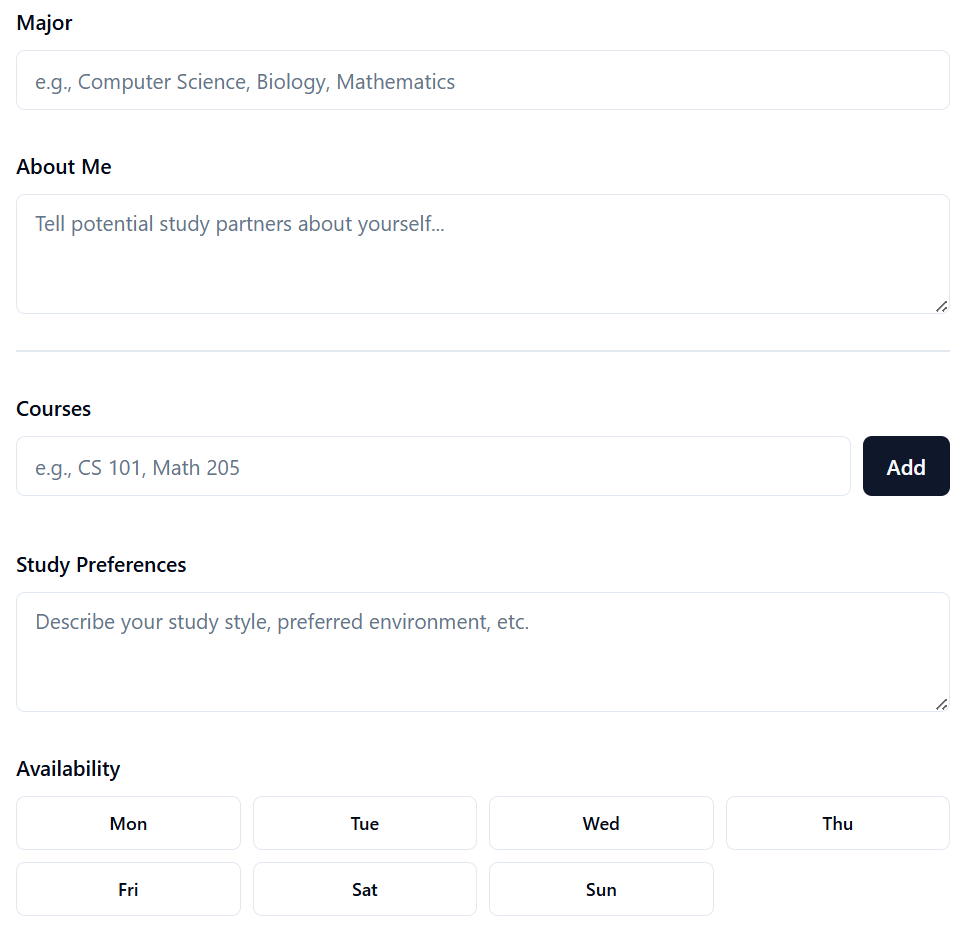
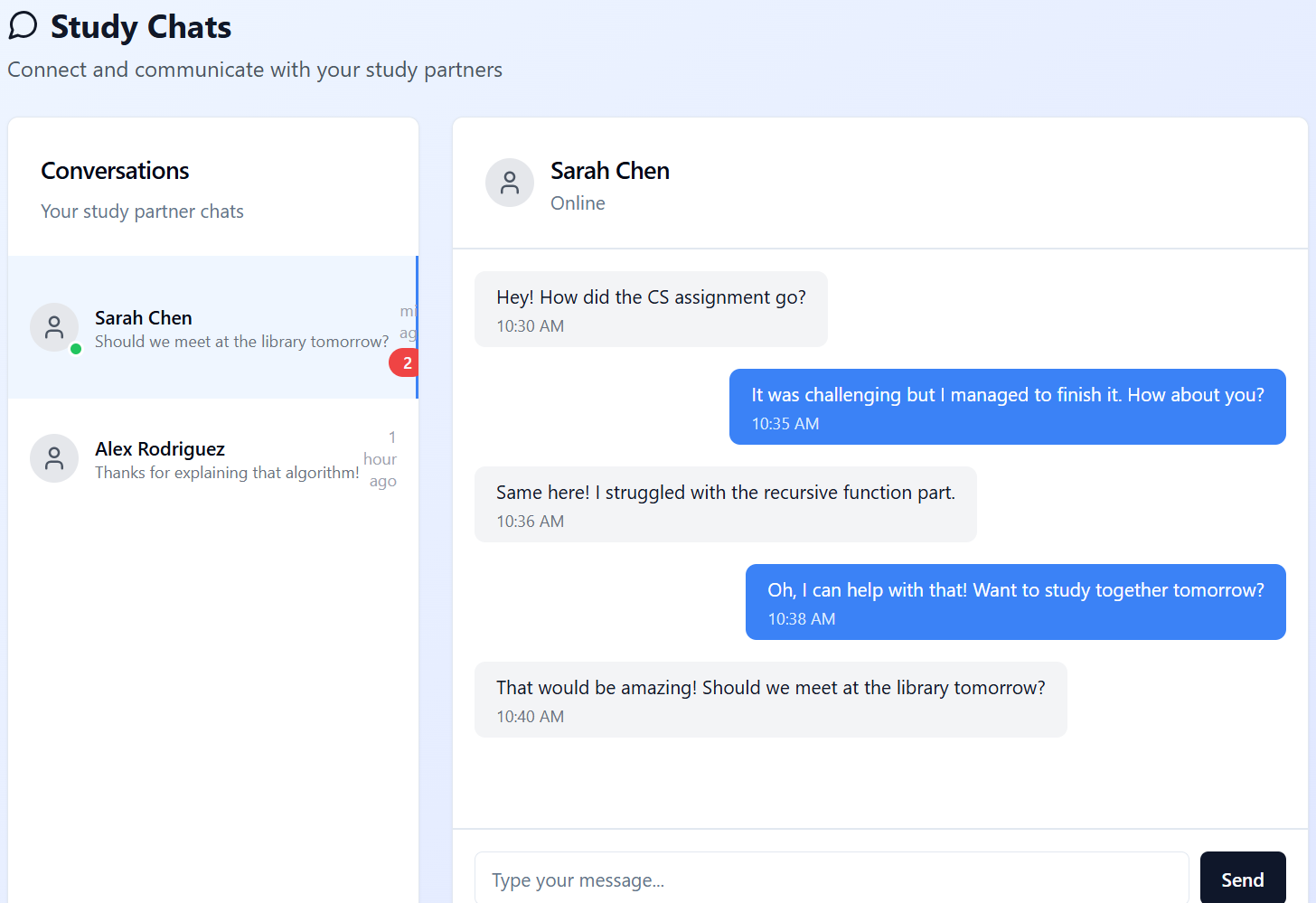
StudyBuddy — designed around peer accountability. Students could connect with others, set shared goals, and stay motivated together. → 7 testers · 71% user intention rate
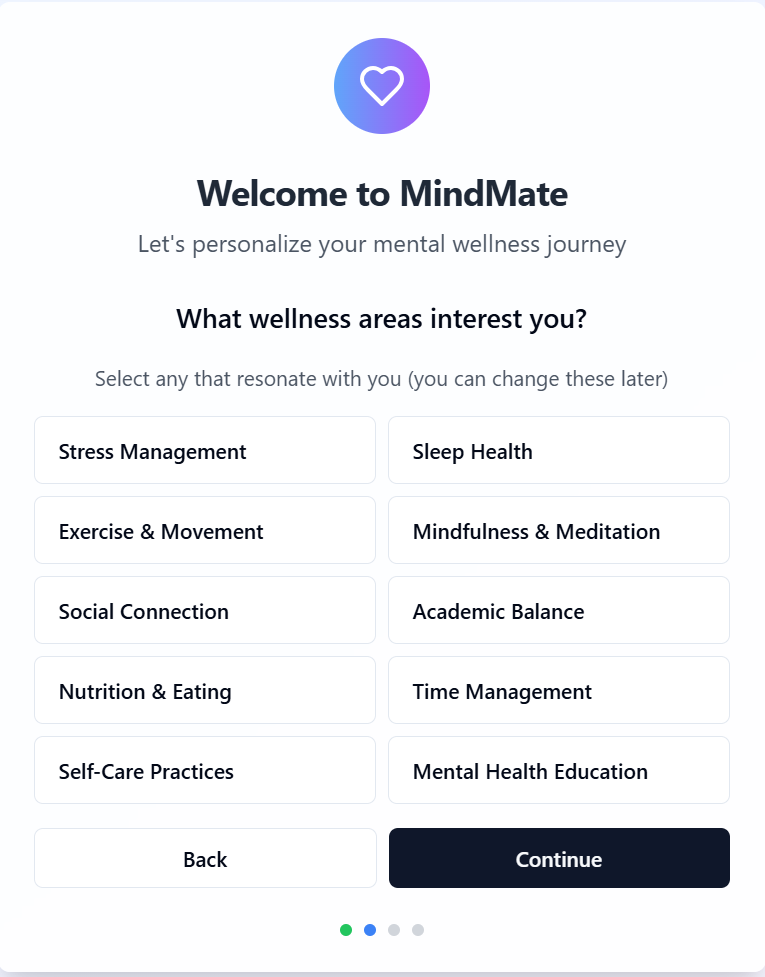
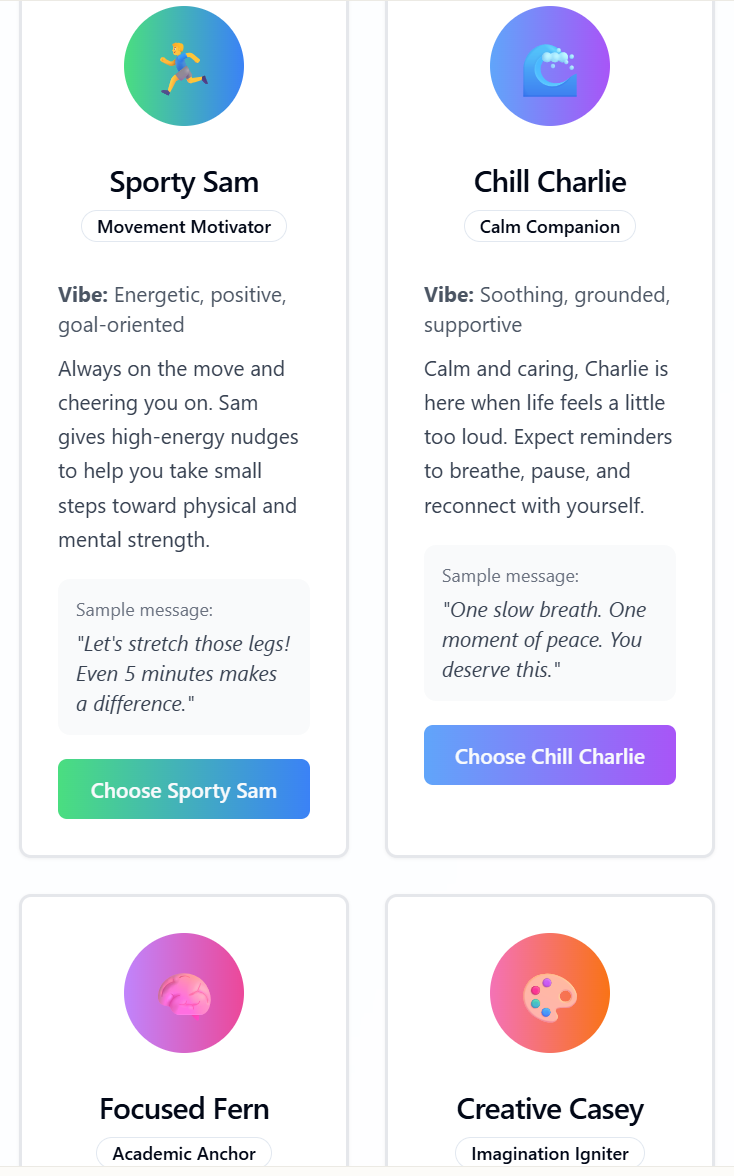
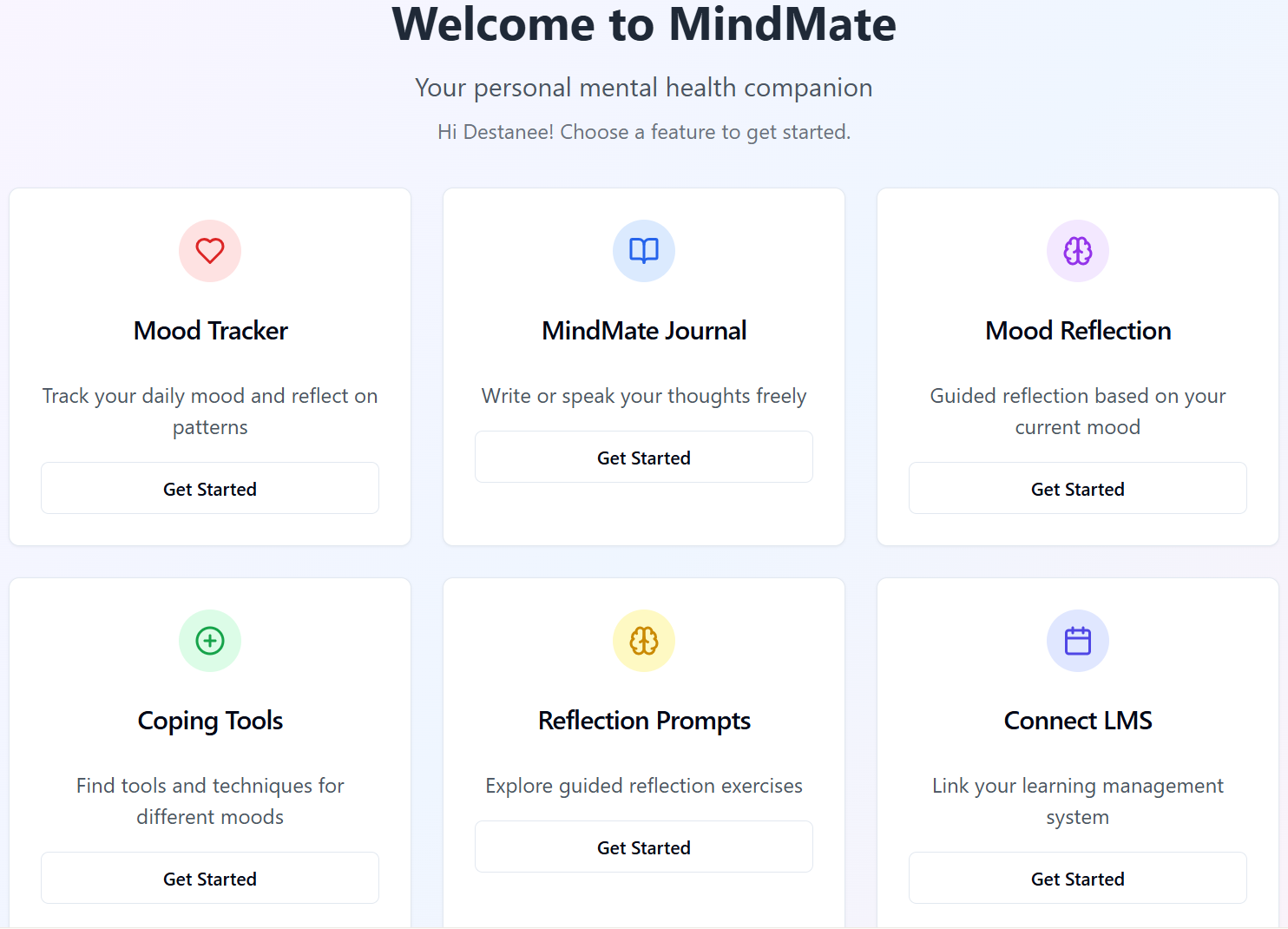
MindMate — designed around flexibility and personalization. Students could build a mental health routine across a variety of activities that worked for them individually. → 5 testers · 80% user intention rate
Both validated meaningfully. MindMate's higher intention rate, combined with its broader applicability across user types, shaped the strategic recommendation for the hypothetical next phase.
What I'd Do Differently
With more time, I would have created and tested non-app solutions as well. With the current friction-maxxing trend, ideas such as flashcards or pop-up events on campus could have great engagement. I'd also run a second round of usability testing after the first round of changes, rather than moving straight to a roadmap.
Outcome
Delivered a product vision, strategic roadmap, and prioritized focus areas for the hypothetical next phase. Presented the full project journey to my cohort in a 7-minute presentation.
📎 View the full project deck → 📎Check out the StudyBuddy prototype → 📎 Check out the MindMate prototype →
Skills Demonstrated
User research · Survey design · User interviews · Usability testing · Prototype development · Lovable · Prioritization · Roadmap planning · Stakeholder presentation